| History |
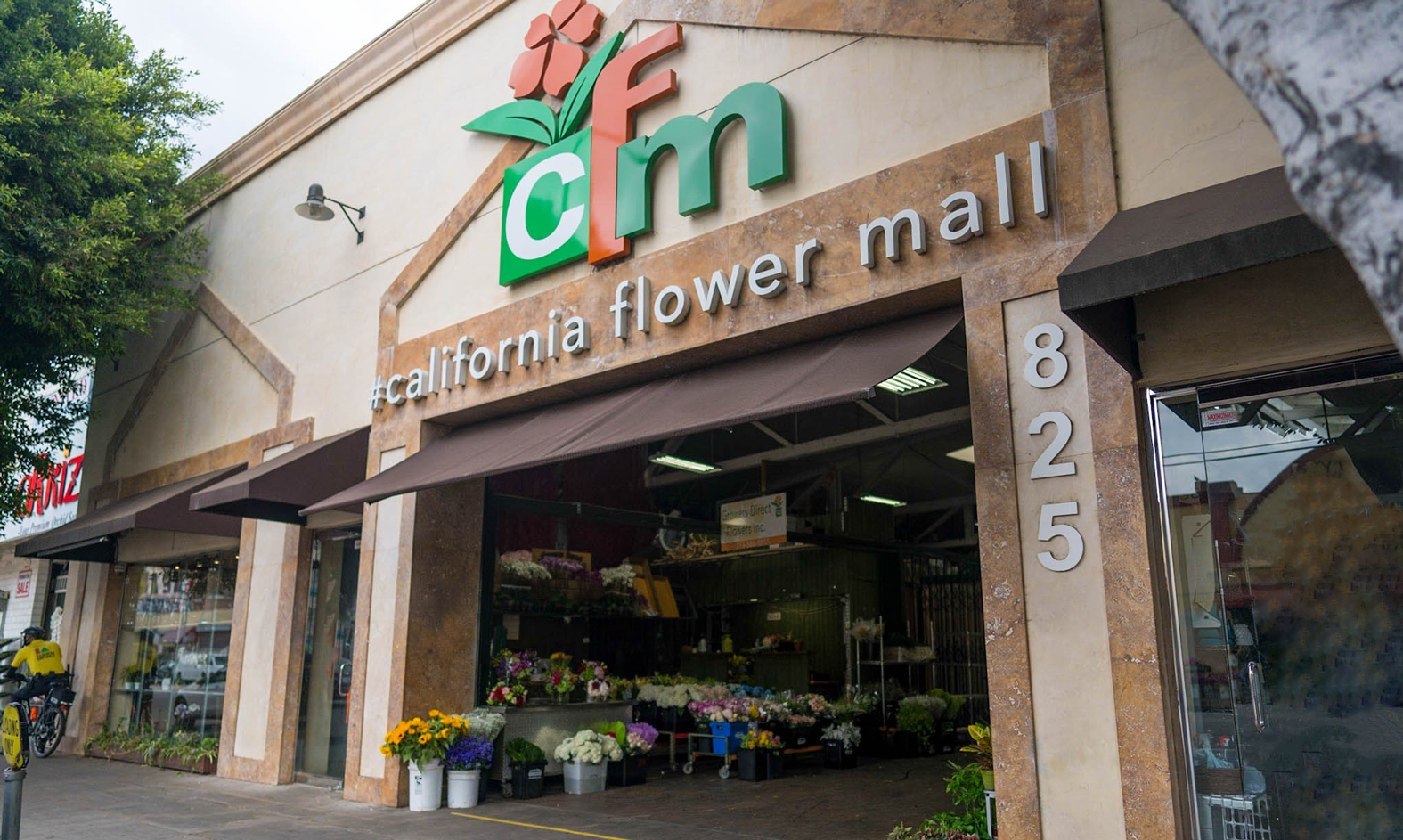
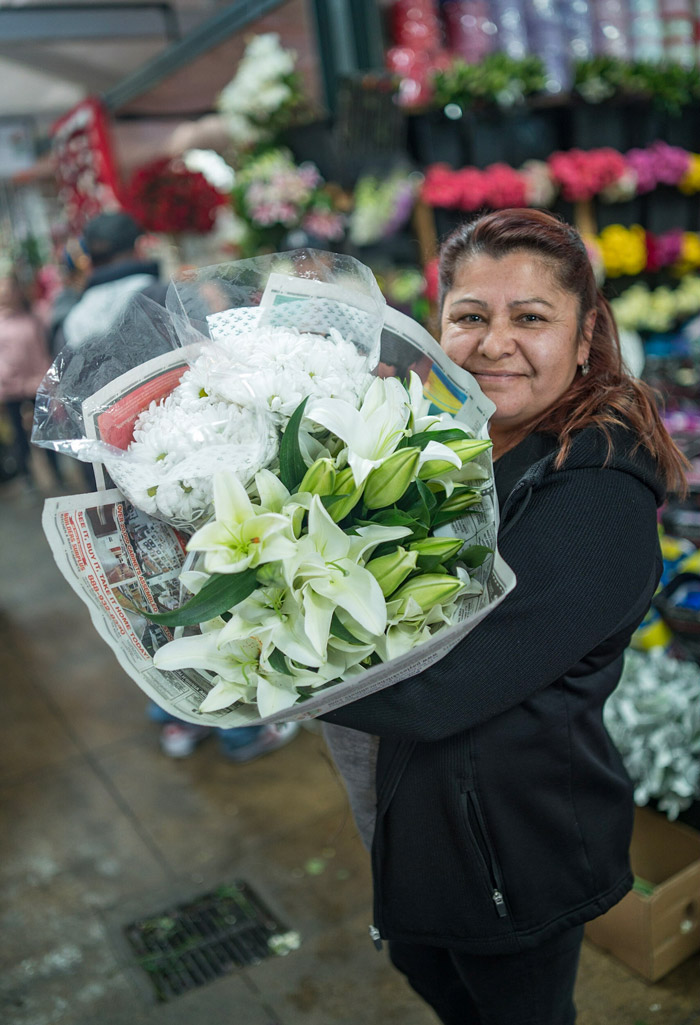
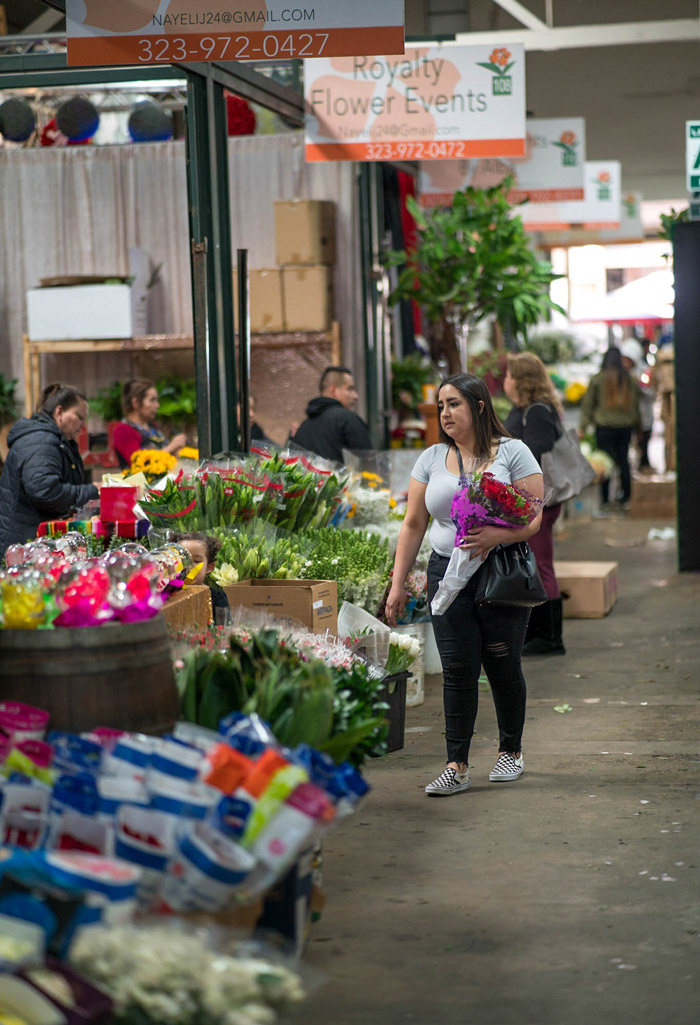
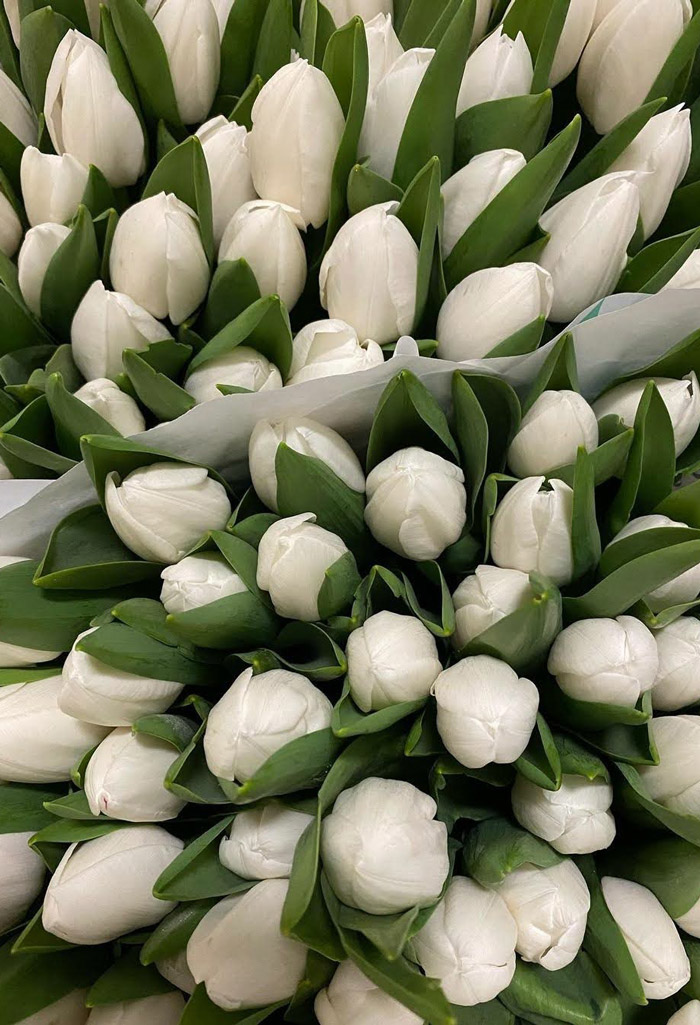
![]() About the California Flower Mall:The building that houses the California Flower Mall started life in 1909 as part of Los Angeles’ booming textile industry. In the 1930s the CFM building was one of the first UPS buildings, housing a fleet of delivery trucks. From the early 1950s to the 1990s, the building was used as a manufacturing plant for the American Sample Company which produced sample books for the textile industry. Then in the 1990s, the building was converted back into a textile wholesale center to service the growing Fashion District and textile business throughout the greater Los Angeles area. In 2007, Mark Chatoff, the owner, saw that the Los Angeles Flower Market was rapidly expanding beyond the traditional boundaries of Maple and Wall Streets and decided to enter the market by converting his warehouse building into a new flower mart. In early 2008, the refurbished building opened its doors as the California Flower Mall, boasting 50 stalls and sophisticated refrigeration systems to maintain the cold chain for wholesale flower storage. The stalls were soon full of lush tropicals from South America, tulips from Holland, cymbidiums from New Zealand and hundreds more varieties from around the world. In 2009, demand from flower brokers and importers led Mark to expand the California Flower Mall adding to the Mall’s current 45,000 sq. ft. ![]() About the Los Angeles Flower District:The California Flower Mall is one of the newest additions to the Los Angeles Flower District – the largest flower district in the United States! What started as a six block flower wholesale area has grown rapidly over the last decade into one of the top five flower districts in the world. What even most Angelenos don’t know, is that a trip to the Flower District is a true sensory delight, with vast arrays of every cut flower in the world available to them – all in one place. The Los Angeles Flower district is located in the LA Fashion District, a business improvement district that for more than a decade has been working to transform an historic Los Angeles manufacturing area into an exciting mix of residential, retail, wholesale and manufacturing establishments. The Flower District plays a vital The history of the Los Angeles Flower District starts in 1892 when several Japanese farmers began planting and cultivating flowers near Santa Monica and south of Los Angeles. In 1913 they started a flower market in downtown Los Angeles, close to where the Flower District is today. By 1923 they had moved to the current location of the Southern California Growers Market on S. Wall Street and had incorporated as the Southern California Flower Growers, Inc. Around 1924, the Los Angeles Flower Market of the American Florists Exchange, moved from its first location on Winston Street to a building across the street from the “Japanese market” on Wall Street. The 700 block of Wall Street became the core of the Los Angeles Flower District. Both the Southern California Flower Growers and the American Florists Exchange quickly expanded their businesses from farming to shipping to retail sales. Since then, growers and sellers from all over the world have set up shop within this area of Downtown LA. Today, the LA Flower District, which is now roughly bounded by Maple Ave. and S. San Pedro Street to the north and south, and 7th and 9th streets to the east and west, is the largest flower district in the entire United States. ![]() About the LA Fashion District:The LA Fashion District is a 90-block district in downtown Los Angeles and is the hub of the apparel industry on the West Coast. The Fashion District caters to the wholesale and retail communities, with apparel and accessories for the entire family, textiles, flowers, and live/work lofts. The LA Fashion District Business Improvement District (BID) is a non-profit organization, funded by a coalition of over 800 property owners dedicated to making the community a clean, safe and friendly place to work, shop, do business and live through maintenance, security and marketing programs. Visit www.fashiondistrict.org for more information. |

History